
A neighbour can use CCTV to protect their property, but that does not give them unrestricted rights to record yours. If their camera records people beyond their boundary, data protection rules apply.
A camera’s direction alone does not tell you what it records. Its view, privacy settings and sound recording are the useful things to establish first.
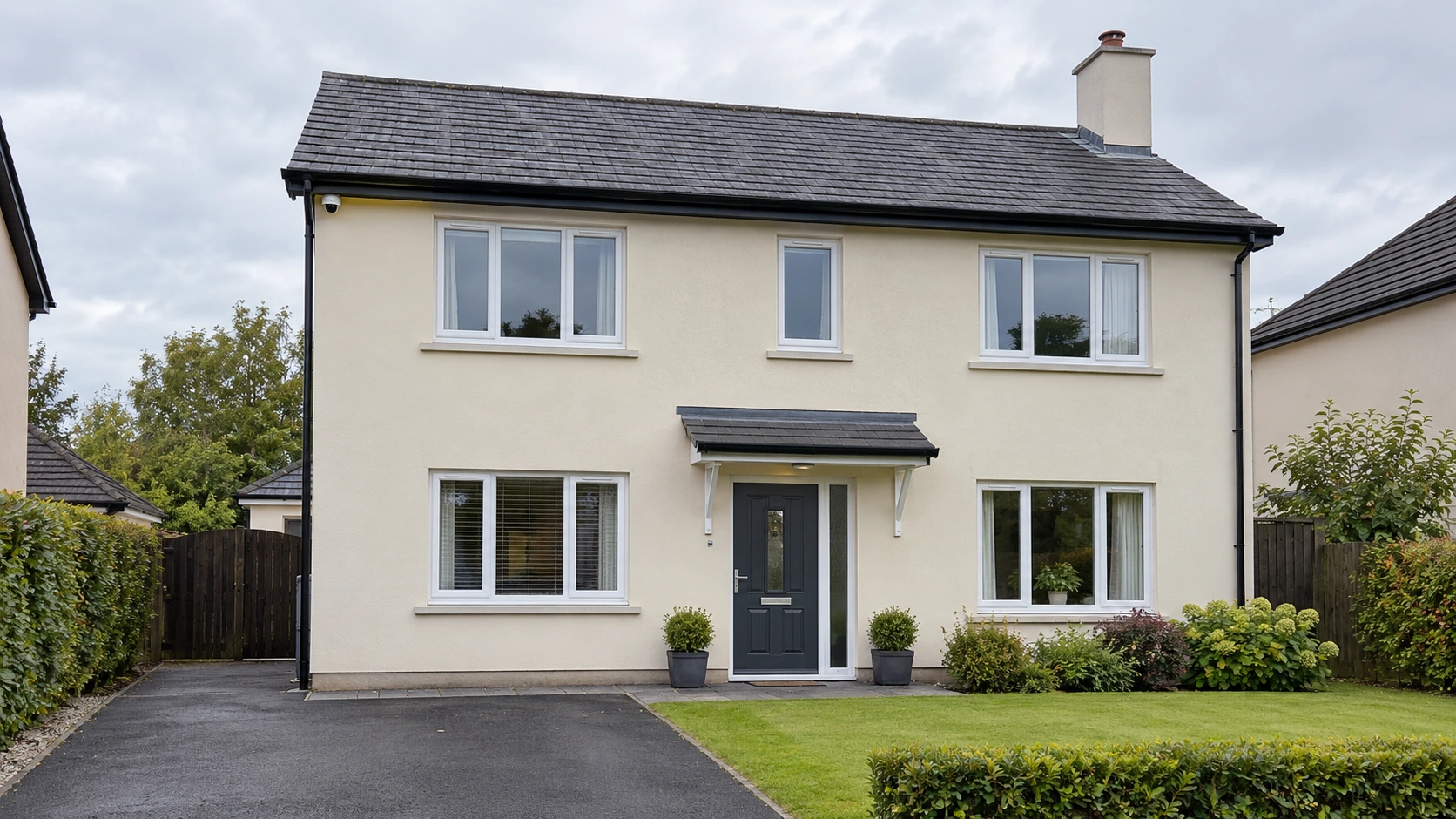
What does the camera actually record?
The question is whether the coverage is needed for security and proportionate to its effect on other people. These situations deserve different consideration:
- Its owner’s entrance or garden: purely household use confined to that property will normally fall outside data protection law.
- A shared driveway or pavement: recording people here brings responsibilities, but is not automatically unlawful.
- Your garden or windows: establish why these areas are included and whether a narrower view or privacy mask could exclude them.
What you can do next
- Ask about the view, if you feel safe doing so. An example recording can show whether the area you are concerned about is visible.
- Explain the change you would like. Be specific about a window, seating area or shared entrance. Ask about sound recording too.
- Put an unresolved concern in writing. Keep a copy and the response. The ICO provides a template letter for home CCTV concerns.
- Choose the appropriate help. A privacy complaint, a tenancy issue and threatening behaviour need different responses. The routes below explain where to turn.
If you feel intimidated or unsafe, seek help rather than approaching the camera owner directly. Do not interfere with their equipment.
Privacy settings and sound recording
A privacy mask blocks a selected part of the camera image. On a suitable system, it can keep the owner’s entrance visible while concealing a neighbouring window or garden. Adjusting the camera position or lens may be a better solution where too much is in view.
A detection zone is different. Choosing where motion alerts are triggered does not necessarily prevent the rest of the picture being recorded. The actual live view, saved footage and exported clips should be checked. Masking also does not disable a microphone.
Conversations can be captured beyond what appears on screen. The ICO’s surveillance guidance on audio treats sound recording as especially intrusive and says it needs a clear, evidenced justification. Audio capability should be switched off by default unless its use can be justified.
Do not assume a device has these controls, or that they work identically across every camera and recording service.
Your rights over recordings
Where data protection law applies, you can request footage in which you can be identified. Give the owner a date, approximate time and enough information to find you. You are asking for your personal information, not unrestricted access to their recordings.
You can also object to being recorded. The owner must consider your circumstances and justify continuing where the right to object applies. A security reason is not a blanket answer to every objection.
You may ask for footage to be deleted, but erasure is not an absolute right. There may be a lawful reason to retain it, for example in connection with legal claims.
The normal response period for these requests is one calendar month. Extensions or other exceptions can apply, so check the linked guidance for your circumstances.
Where to get help
The right route depends on what is happening:
- Data protection concerns: use the ICO’s home CCTV complaint checker. It explains when a complaint is appropriate and the information needed.
- A rented home or shared building: a landlord, housing officer or managing agent may be able to address tenancy conditions or use of communal areas.
- Threats, harassment or suspected criminal conduct: contact the PSNI. Recording alone does not automatically establish harassment.
- A continuing dispute or possible court action: seek independent legal advice. Mediation may be an option where it is safe and appropriate.
The ICO is not a neighbour mediation service and does not award compensation. Its involvement does not guarantee that a camera will be moved or removed.
Planning and the legal background
These details are available if you need to look more closely at an installation or the case often mentioned in reports about doorbell cameras.
Do CCTV cameras need planning permission in Northern Ireland?
Northern Ireland has its own planning rules. Part 22 of the 2015 General Permitted Development Order allows security cameras on buildings only within its limits and conditions. The principal limits are:
| Item | Limit |
|---|---|
| Camera and housing | No larger than 75 × 25 × 25 cm |
| Height | No part less than 2.5 m above ground level |
| Projection | No more than 1 m from the building |
| Contact points | No point of contact more than 1 m from another |
| Spacing | At least 10 m from any part of another camera on a building |
| Number | Maximum four on one side and sixteen on the building |
This permission does not cover listed buildings, conservation areas or sites of archaeological interest. Appearance and removal conditions also apply. Ask your council’s planning team about the specific property and installation, including any other restrictions. Planning permission and privacy obligations are separate matters.
What did the Fairhurst v Woodard case decide?
In Fairhurst v Woodard (Oxford County Court, 2021), the court accepted the doorbell’s incidental video capture but found its audio capture excessive. A separate camera covering the neighbour’s property also failed the necessity test. The dispute involved wider conduct, and both data protection and harassment claims succeeded.
This was an English County Court decision on particular facts, not a blanket ban on doorbells or binding Northern Ireland precedent. The practical point is to consider the actual view, microphone range and behaviour surrounding a system. Read paragraphs 134 to 138 of the approved judgment, reproduced by Skadden (PDF).
Home CCTV that respects your neighbours
You should be able to see what matters at home without unnecessary views into the property next door. Advanced Overwatch can assess camera positions, suitable equipment and privacy settings as part of a new installation or an existing-system review.
We can explain what the proposed coverage will show and the settings available on your system. See our CCTV installation service or our guide to camera positioning.
Guidance checked: 22 October 2026. This article provides general information, not legal advice about an individual dispute. The ICO’s home CCTV guidance is currently under review following the Data (Use and Access) Act. Check the current guidance or speak to a solicitor about your circumstances.
For broader system-owner responsibilities, see CCTV regulations in Northern Ireland.