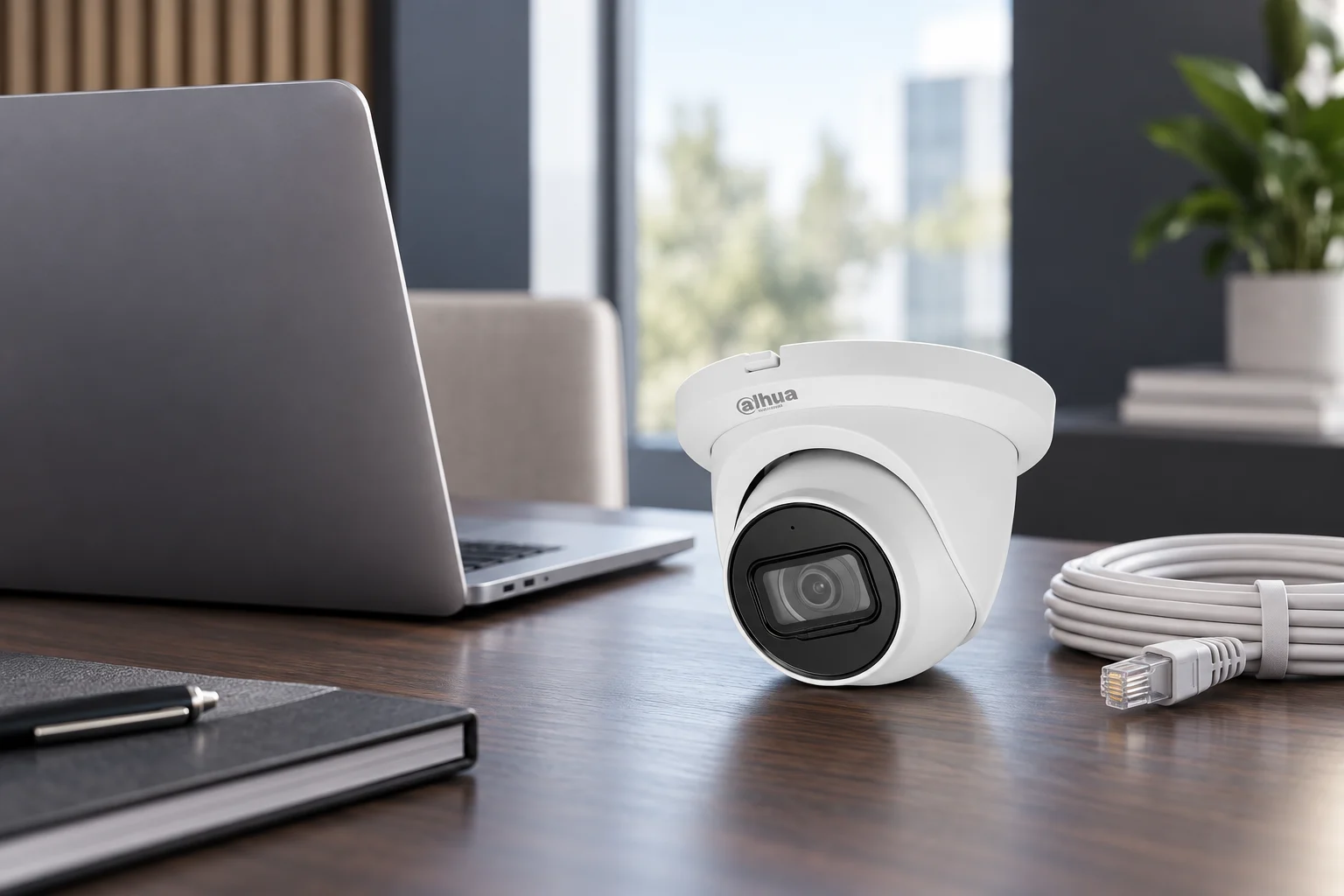
Commercial CCTV Installation Northern Ireland
CCTV for Northern Ireland businesses, specified around the duties that come with it as well as the areas you need to see. Surveyed, installed and maintained by one SSAIB Certified team, with optional monitoring from our own control room.
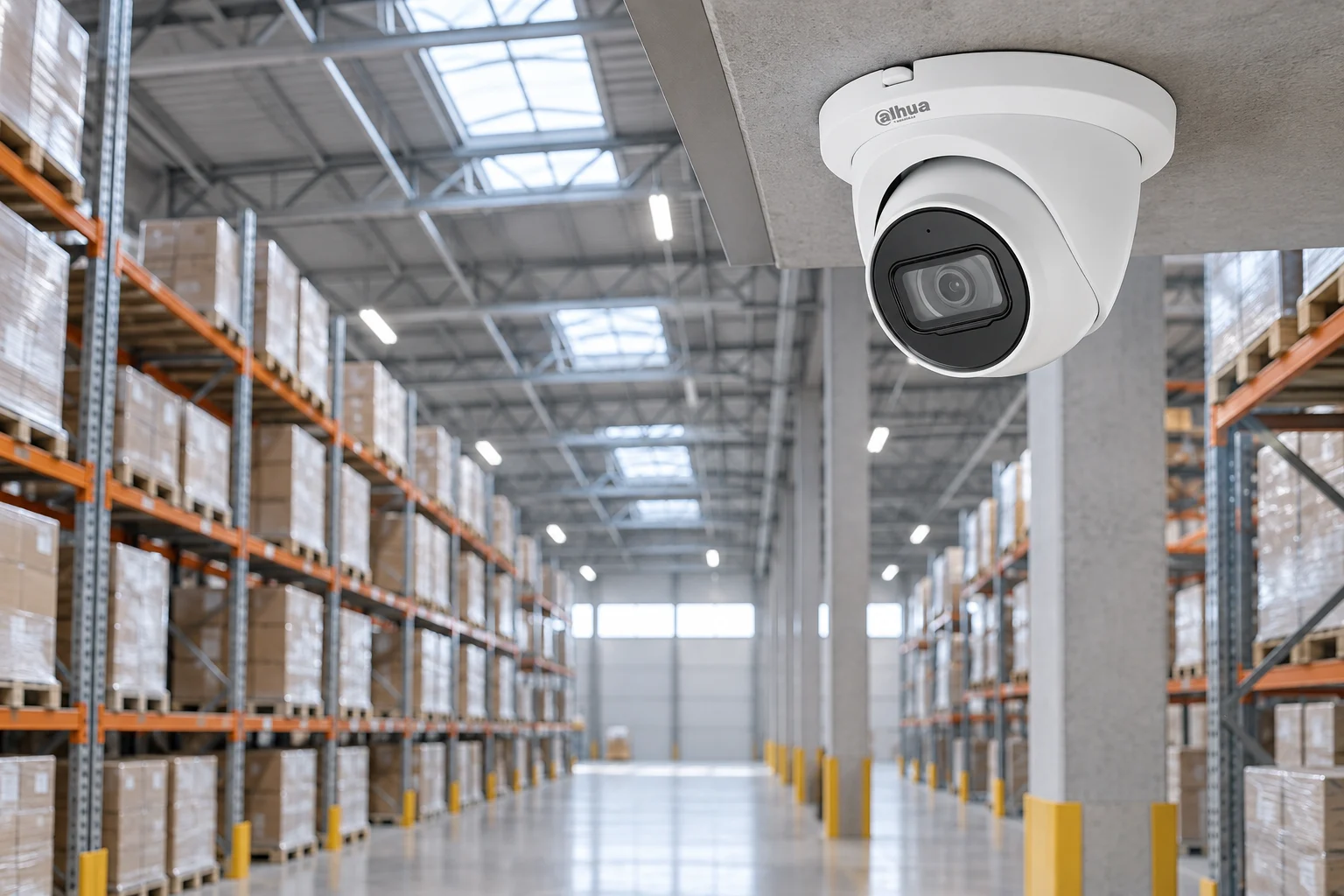
A CCTV system your business can use every day
Camera coverage is one part of the brief. The management software, permissions and recording arrangements determine how the system works in practice.
Manage who can use the system
Specify named accounts, access permissions and an audit trail for viewing and exporting footage.
Find the footage that matters
Agree how authorised users will search, bookmark and export incidents, including across sites where supported.
Know whether it is recording
Include camera and recorder health checks, storage planning and useful fault alerts in the specification.
Features depend on the chosen cameras, recorder and video management software.
Connect an event
with the footage.
With compatible systems, a door event or intruder activation can bring the relevant cameras into view. We install and maintain the related systems, so the integration can be planned together.
Access control
Door event
→Associated CCTV clip
Intruder alarm
Alarm activation
→Relevant camera view
The survey establishes what your equipment can support and how the event should be handled.
People to assess events.
Maintenance to keep recording.
Optional monitoring and ongoing maintenance address different needs. Specify both as part of the service you want.
Our own CCTV monitoring
We operate our own 24-hour CCTV Monitoring Control Room. On a monitored system, operators assess activations and follow the agreed escalation arrangements.
The survey and service agreement establish coverage, keyholder contacts and the response process.
Keeping footage usable
- Scheduled inspection and camera positioning.
- Recorder health, storage and clock checks.
- Firmware, credentials and access review.
- Handover training, including exporting a usable clip.
Agree the maintenance scope and response arrangements for your premises.
Advanced Overwatch is SSAIB certificated (NIRE127) specifically for Intruder Alarm Systems, Visual Surveillance Systems (VSS) and Access Control Systems.
Established 2017. ISO 9001, ISO 14001, ISO 27001 and ISO 45001 certified.
Planning and responsibilities
What makes a business system different from a home one
A commercial CCTV system is not a bigger version of a domestic one. The moment cameras watch staff, customers, visitors or a public footpath, your business becomes a data controller under UK GDPR and the Data Protection Act 2018, and the system has to be justified, documented, signed, retained and disclosed correctly. We design around those duties from the survey onwards, so the paperwork exists before the cameras do.
Advanced Overwatch is SSAIB certificated (NIRE127) specifically for Intruder Alarm Systems, Visual Surveillance Systems (VSS) and Access Control Systems. We are centrally based in Coleraine and cover all six counties, with 24-hour monitoring, and 24-7 on-call Engineers.
Your obligations under the ICO video surveillance guidance
The ICO replaced the old CCTV code of practice with its video surveillance guidance, and that is what a regulator measures you against. It expects you to answer five things: why the cameras are there, what less intrusive option you rejected, who is responsible for the footage, how long you keep it, and how a person gets a copy of themselves. Using CCTV for a business purpose also normally puts you on the ICO register and liable for the data protection fee, which any complainant can check in seconds.
We build those answers into the design pack: a stated purpose against every camera position, drawings showing what is and is not covered, and a note of anything masked or re-aimed because it overlooked a neighbour or a public road. It can also be handled as a piece of work in its own right through our CCTV compliance and CCTV policy development services.
DPIAs and signage, the two things most sites get wrong
A data protection impact assessment is required before you begin systematic monitoring of a publicly accessible area, which covers most retail, hospitality, forecourt and reception installations. It is a short structured document, not a legal exercise: the purpose, the risk to the people recorded, the alternatives weighed, the safeguards applied. Do it before commissioning, not after a complaint lands.
Signage is simpler and still gets missed. Signs must be visible as people enter the covered area, and must name the operator, state why the recording is happening and give a contact route. A notice on the back door does not cover a car park, so we issue the signage schedule with the drawings.
Employee monitoring, and where it stops
You may monitor a workplace where there is a genuine business reason, where people have been told, and where the coverage is proportionate to the problem. You may not cover toilets, changing areas or rest rooms, and continuous monitoring aimed at one individual is very hard to justify.
Audio is the sharp edge. Recording conversations is treated as far more intrusive than recording images, so on nearly every system we install the microphones are off by default. Where one position genuinely needs it, a cash desk or a lone worker point, it is enabled deliberately, written into the policy and signed. Covert monitoring is exceptional: tied to a specific suspected offence, time limited, authorised in writing before it starts.
Retention periods and subject access requests
There is no statutory retention period. Keep footage as long as your stated purpose needs and no longer, then write that period down. Around thirty days is the usual landing point for commercial premises, shorter where the purpose is same day incident review, longer where an insurer or a licence condition requires it. Size the storage to the period and let the recorder overwrite automatically.
When someone asks for footage of themselves you have one calendar month, you cannot charge, and everyone else in the frame has to be obscured first, which is what our CCTV video redaction service is for. Police disclosure for preventing or detecting crime is permitted, but log every request and exactly what you released.
Commercial CCTV, your questions answered
Do you legally have to tell people you have CCTV at your business?
Yes. Signs must be visible as people enter the area a camera covers, and must say who operates the system, why it records and how to get in touch. Recording without signage is only lawful in narrow, documented circumstances such as an authorised covert investigation.
Can my employer listen to my conversations on CCTV?
Only in narrow circumstances. Audio is far more intrusive than video, so it has to be separately justified, proportionate and made clear in advance. On most systems we install the microphones stay off, and where audio is needed at one position it is enabled deliberately and signed at the point of capture.
How long should a business keep CCTV footage?
As long as your stated purpose needs and no longer. Around thirty days is the usual landing point for commercial premises, but the answer comes from your purpose, your insurer and any licence conditions rather than a factory default. Write it down and size the storage to it.
What are the rules on sharing CCTV footage?
Footage of an identifiable person is personal data. Someone can request their own footage, you have one calendar month to respond, you cannot charge, and other people in the frame must be obscured first. Disclosure to police for preventing or detecting crime is permitted, but log every request.
Does a business need to register with the ICO to use CCTV?
In almost all cases yes. Using CCTV for a business purpose means processing personal data, which normally puts you on the ICO register and liable for the data protection fee. It is quick to do and it is the first thing a regulator checks.
What drives the running cost of a business CCTV system?
Camera count and the storage your retention period demands, whether the system is monitored from a control room, the maintenance level and response time you buy, and any connectivity for remote access. We quote after a free survey rather than publish a rate. Call 028 7087 8077 to arrange one.
Get your commercial CCTV specified properly
Arrange a free, no-obligation site survey to discuss the premises, camera positions and the system you need.
Security for businesses and homes across N.I.