
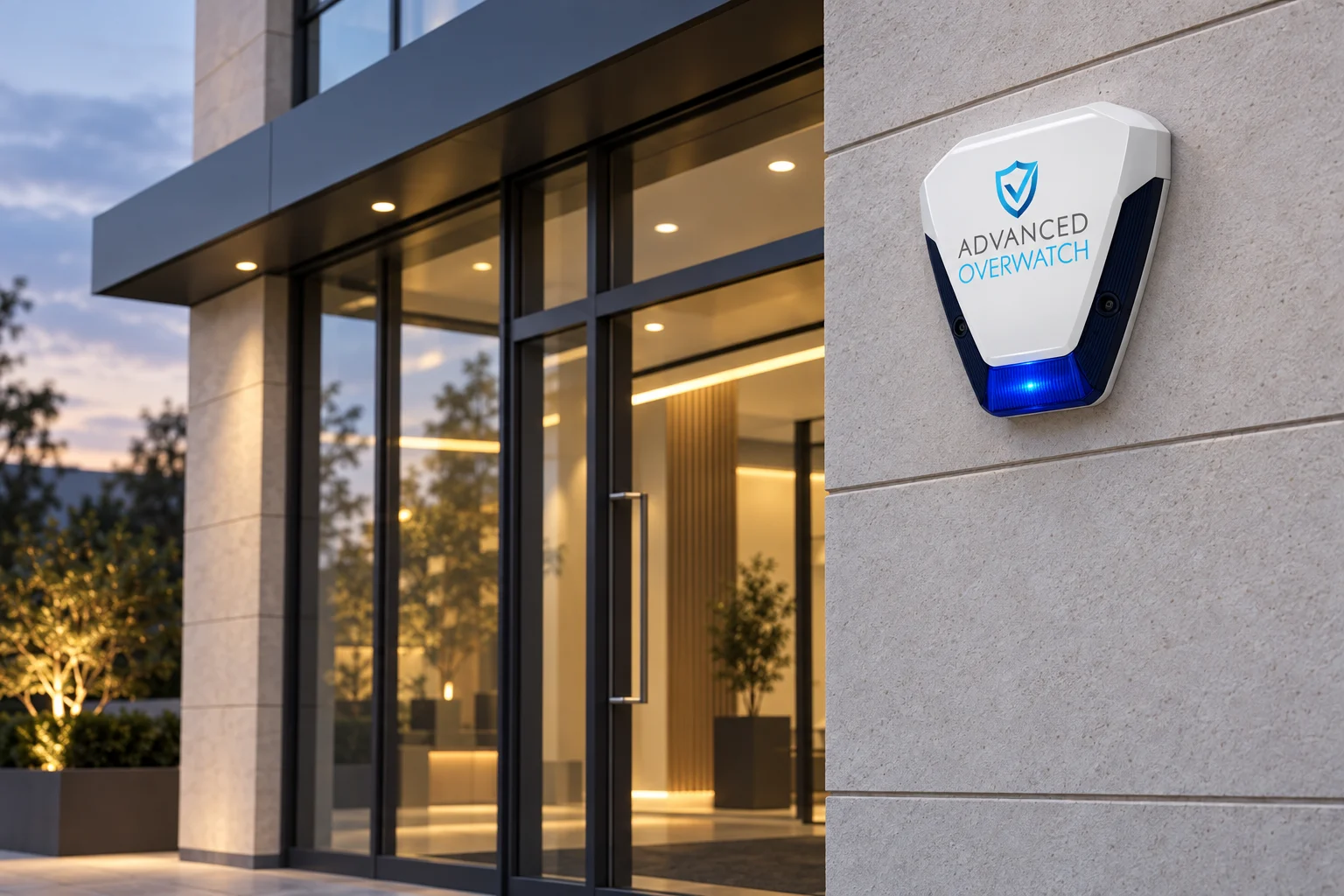
Commercial Intruder Alarm Systems
Advanced Overwatch designs, installs and monitors graded intruder alarm systems for businesses across Northern Ireland.
A commercial alarm is specified, not picked off a shelf. The grade, the signalling, the response plan and the service schedule all have to line up, or it will not do what your insurer and the police expect of it.
Security for businesses and homes across N.I.
Built for business
An alarm specified around your risks
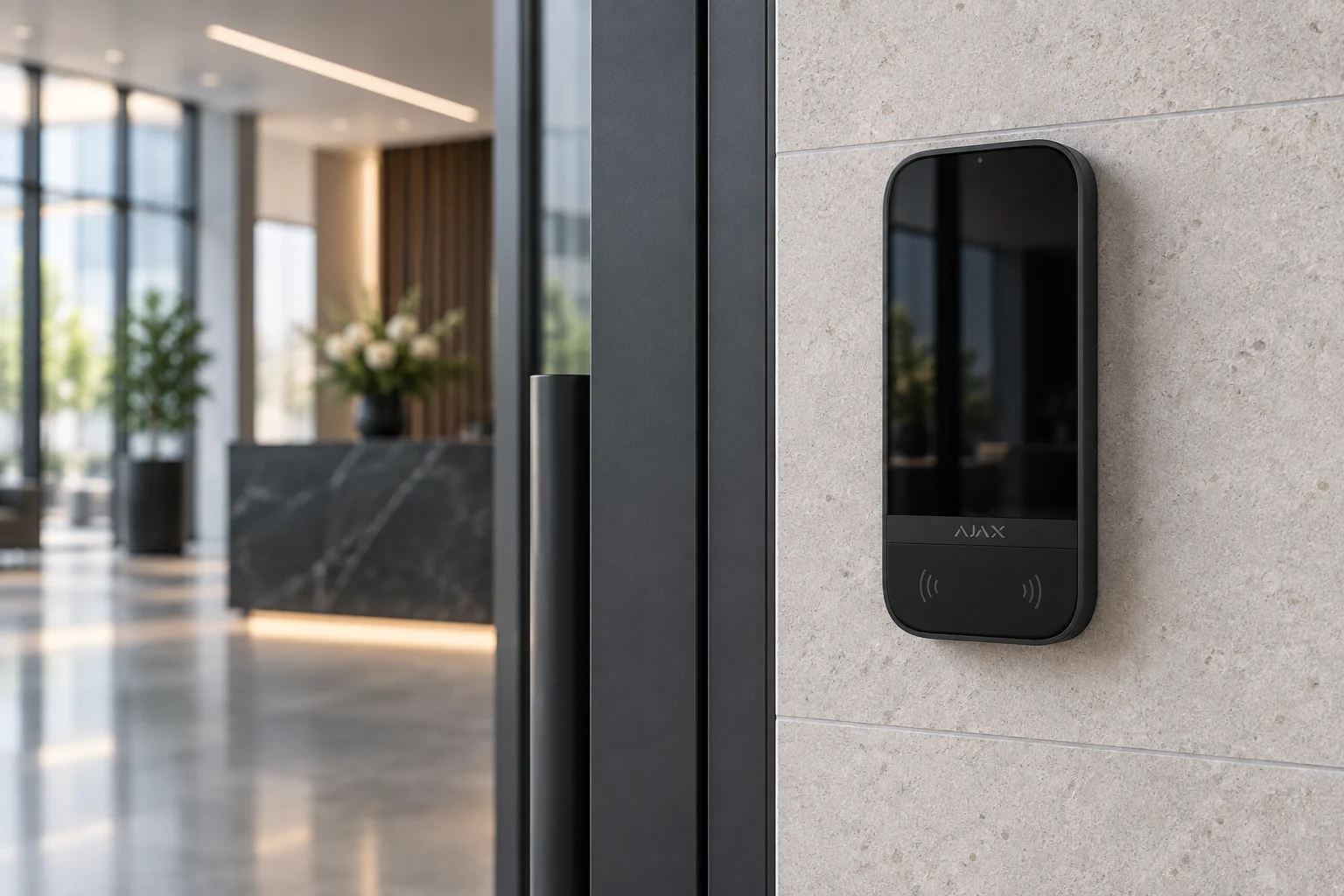
The right grade
Designed around the risk at your premises and your insurer’s written requirements.
Set areas separately
Keep stockrooms protected while staff work elsewhere in the building.
A response plan
Agree who is contacted and who can attend when the alarm activates.
Partner ARC monitoring
Intruder monitoring through our monitoring partner’s NSI Gold certified Alarm Receiving Centre (ARC).
Staff protection options
Discuss hold-up devices, individual user access and the needs of lone workers.
Planned maintenance
A servicing schedule, system checks and support arrangements from the start.
Retail, offices, warehouses and other commercial premises across Northern Ireland.
Grade 2 or Grade 3?
Start with the risk.
Your insurer’s written requirements and the site assessment shape the specification. The type of building alone does not decide the grade.
Grade 2
For lower to medium risk requirements
Designed for the threat from intruders with some alarm knowledge and a limited range of tools. Suitability depends on the premises, what you keep there and the assessed risk.


Grade 3
For more demanding risk requirements
Designed for a more capable, equipped intruder. The specification gives greater attention to deliberate interference, detection and the resilience needed for your site.
We consider detection, signalling and standby power together. Systems are specified against the relevant BS EN 50131 standards and the UK PD 6662 scheme. Read SSAIB guidance on alarm grading.
Security that fits the working day
The right permissions, zones and response arrangements make the system easier to manage.
Set the building in zones
Protect the warehouse while the office stays open. Agree which areas staff, cleaners and other authorised users can unset.
Give people the right access
Individual codes and permissions help manage who can set or unset the alarm. Event history depends on the panel and configuration.
Plan for several sites
Use a consistent specification where appropriate, with the right contacts and a written response plan for each site. Remote functions depend on the selected equipment.

Include staff protection
Discuss fixed or portable hold-up devices and the response arrangements they need. We assess these separately from routine intruder detection.
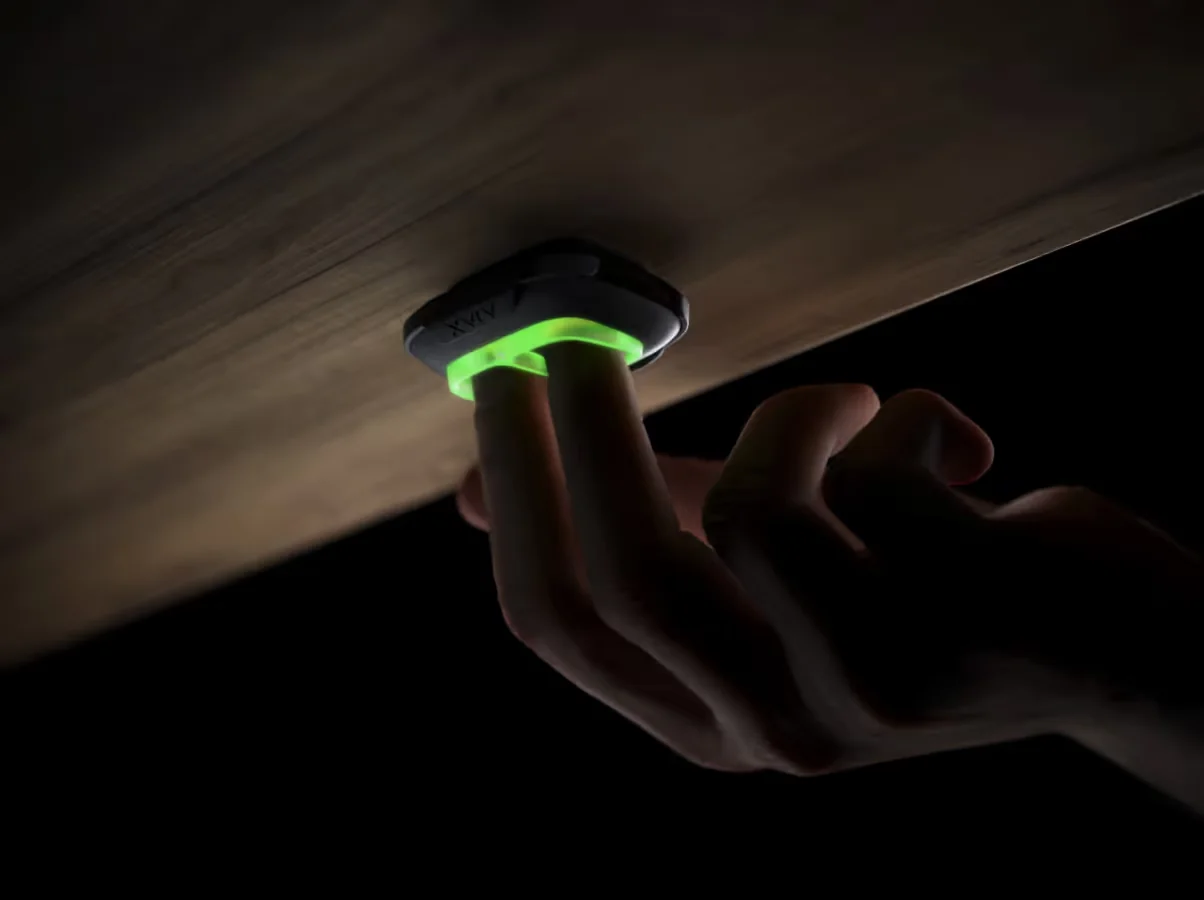
Functions depend on the equipment and configuration selected for your site. Explore panic and hold-up alarms ↗
Monitoring and response, agreed in advance
Intruder alarm monitoring is provided through our monitoring partner’s NSI Gold certified Alarm Receiving Centre (ARC). This is separate from our own 24-hour CCTV Monitoring Control Room.
01 Detection
A detector or hold-up device raises an activation. The devices and their positions follow your site survey.
02 Signalling
On a monitored system, the alarm sends a signal over the specified communications connection. Resilience is considered during design.
03 ARC assessment
Our monitoring partner’s NSI Gold certified Alarm Receiving Centre (ARC) assesses the signal under the agreed procedures. Verification depends on the system.
04 Keyholder contact
The ARC follows the agreed contact plan. Nominate suitable keyholders or discuss a separate professional keyholding service.
05 Police response
Where eligible, police response requires the appropriate registration and confirmation arrangements. Attendance remains subject to police policy and priorities.
06 Review and restore
After an activation, follow the agreed reset and support procedure. Faults and recurring false activations should be investigated.
Police attendance and professional keyholding are not included automatically. Agree the services and eligibility for your premises in writing.
From first survey to ongoing care
A clear specification, a practical handover and a plan for keeping the alarm working.
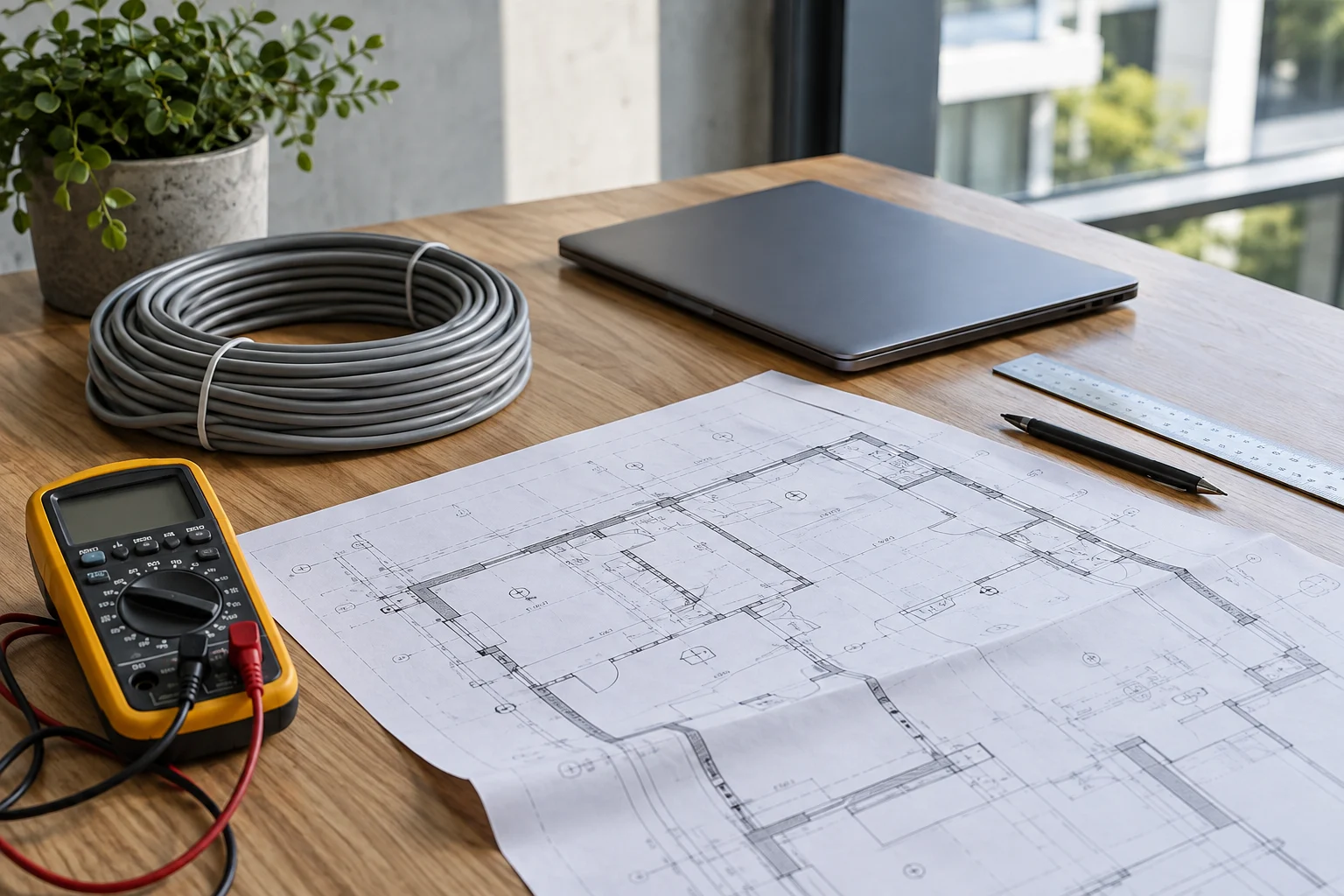
Start with the premises and the risk
Bring any written insurer requirements. We review the building, stock, working hours, existing equipment and who needs access.
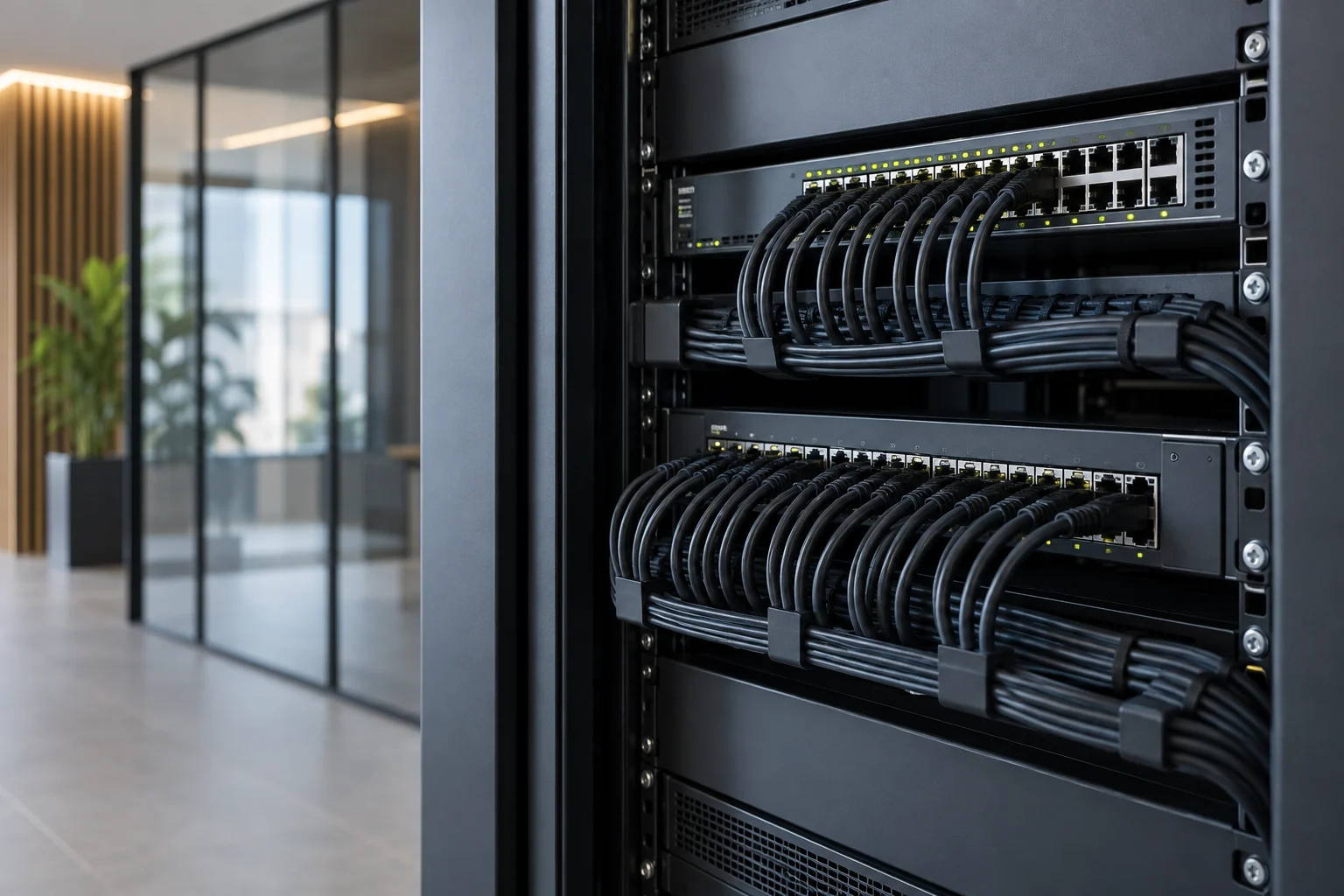
Agree the specification in writing
Set out the alarm grade, detection, signalling, monitoring, response arrangements and maintenance needs before installation.
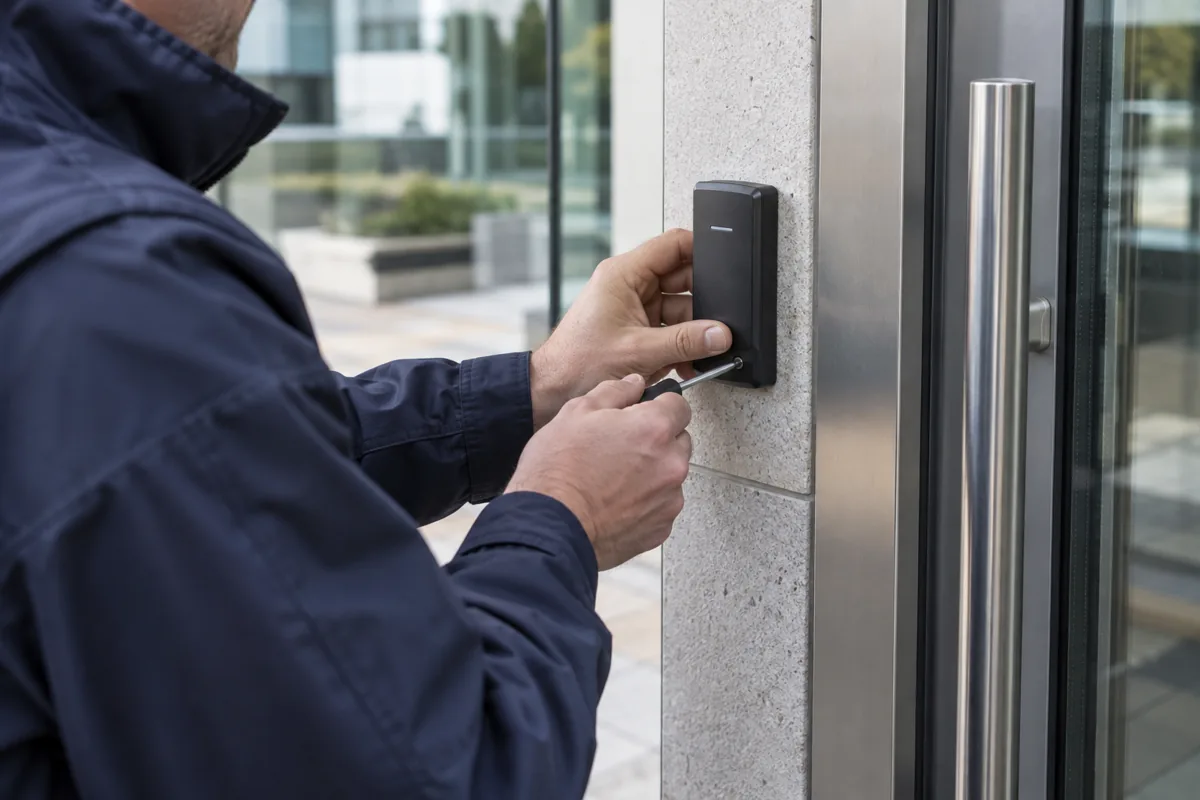
Fit and commission the system
Arrange the installation around the site. We test the agreed functions and provide the relevant system documentation.
Make everyday use straightforward
Learn how to set and unset the system, manage users and deal with an activation. Keep your keyholder information current.
Keep servicing part of the plan
Arrange planned maintenance and review the system when the premises, stock or working patterns change. Support follows your service arrangements.

Established 2017
Based in Coleraine
Standards you can check
Advanced Overwatch is SSAIB certificated (NIRE127) specifically for Intruder Alarm Systems, Visual Surveillance Systems (VSS) and Access Control Systems.
Common questions about business alarms
What is the difference between a Grade 2 and a Grade 3 intruder alarm?
The grade reflects the risk and the intruder capabilities the system is designed to address. Grade 3 addresses a more capable intruder than Grade 2. The correct specification follows a site risk assessment and your insurer’s written requirements, with detection, signalling and standby power considered together.
How often should a business burglar alarm be serviced?
Audible-only systems are generally checked annually and ARC-monitored systems twice a year. A remote check may be suitable for part of the schedule where the equipment and applicable requirements allow it. We set out the maintenance arrangements for your system in writing. Explore maintenance and servicing.
Will the police respond to our alarm?
Police response is conditional. An eligible monitored system needs the appropriate installation, maintenance, confirmation and PSNI registration arrangements, including a Unique Reference Number where required. Response remains subject to police policy and priorities, and repeated false alarms can affect it. Read PSNI security-system guidance.
What is the best alarm system for a small business?
The right system is the one specified for your premises, stock, working patterns and insurer requirements. The survey establishes the grade, detection coverage, user access, signalling and response arrangements. A small building does not automatically mean a low-risk business.
Who attends when the alarm goes off out of hours?
Your written response plan should name the people or service responsible for attending. If employees are keyholders, consider safe attendance and lone working. Discuss professional keyholding if you want an alternative to staff attendance. Police attendance is separate and remains conditional.
Let’s specify the right alarm
for your business
Book a free site survey across Northern Ireland.
Have an insurer’s requirement? Bring it with you.
Already have a system? Get support or explore alarm installation and upgrades.