
A good burglar alarm for a Belfast home or business starts with the property and how you want an alarm to be answered, not with a kit. Decide three things in this order: the grade the risk calls for, whether the alarm only sounds or is monitored, and whether you need a police response. Then pick a certificated installer who will survey before they quote.
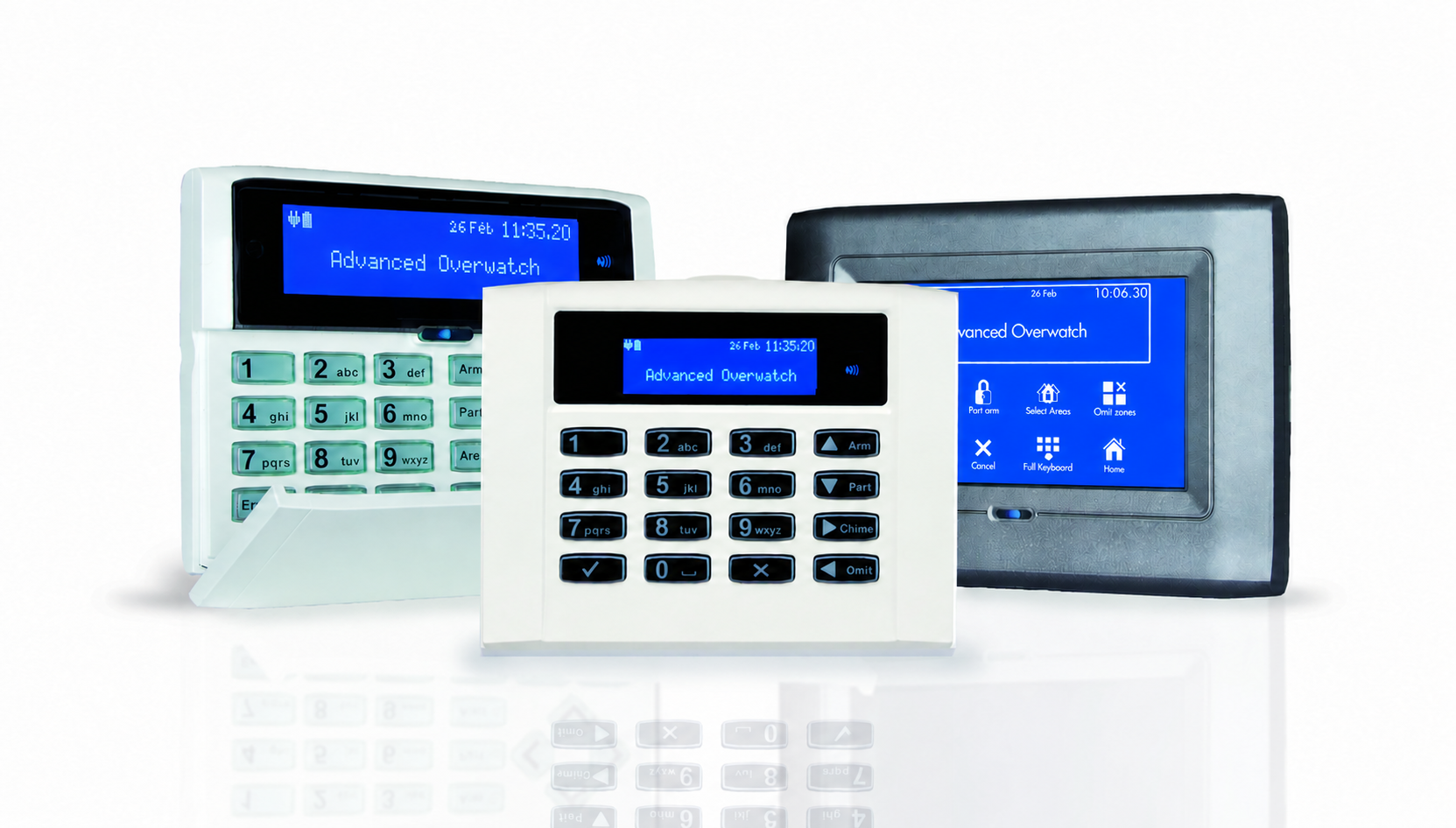
This guide takes each decision in turn, with the Northern Ireland rules that apply. If you already know what you need, our Belfast burglar alarm page covers what we install in the city, and you can ask for a free survey at any time.
Start with the risk, not the equipment
Burglary in Belfast is lower than it was, but it has not gone away. In the 2025/26 financial year, police recorded 615 residential burglaries and 210 burglaries of business and community premises across the Belfast council area, both down on the year before. Residents also worry about it more than most: in the Northern Ireland Safe Community Telephone Survey for 2023/24, 11% of Belfast residents said they were worried about burglary, against 8% across Northern Ireland.
Those numbers describe the city, not your street. Our free Crime in My Area tool for Belfast shows month by month PSNI figures and lets you search around a postcode. What matters more is your own property: what someone would come for, how many ways in are out of sight, when the building is empty, and who would respond to an alarm at 3am. Our Security Requirements Finder turns those answers into a suggested grade and level of monitoring.
Alarm grades in plain words
UK intruder alarms are designed to the BS EN 50131 series of standards, applied through a British scheme called PD 6662. The NSI describes PD 6662 as the “umbrella” that brings together the European product standards and BS 8243, the standard for alarms designed to produce confirmed activations. You do not need to read any of them. What you need to know is the grade.
The grade describes the kind of intruder the system is built to resist:
- Grade 2 assumes someone with a little knowledge of alarms and simple tools. It is what most homes and many smaller businesses without high value stock are specified to.
- Grade 3 assumes an experienced intruder who knows alarm systems and may carry portable electronic equipment. It brings stronger tamper protection and better supervision of the links between devices. It suits premises holding high value stock or cash, and it is often what an insurer asks for on those sites.
Grades 1 and 4 exist too, but in practice you will be choosing between 2 and 3. The grade should come from the survey and, for a business, from your insurer. At the end of the job, a certificated installer should give you a certificate showing the standard and grade the system was installed to. Keep it: your insurer may ask for it.
Wired, wireless or hybrid
This is about how the detectors talk to the control panel, and it is separate from the grade.
- Wired systems suit new builds, shop fits and refurbishments where cables can be hidden, and have no detector batteries to change.
- Wireless systems use encrypted radio. They suit Belfast’s older terraces and period houses, where chasing cables into plaster or lifting floors is disruptive.
- Hybrid systems mix the two, which is common when an existing wired system is extended.
Wireless is reliable when it is planned properly, which means a radio signal check from each detector position at the survey.
Bells only or monitored
This is the decision that changes what actually happens after the alarm goes off.
Bells only. The alarm sounds a siren at the property and nothing more. The national police guidance is clear that this type of alarm does not get an automatic police response: someone at the scene would need to call the police and report a crime in progress. A bells only alarm can still make sense for an occupied home on a busy street, where neighbours will hear it.
App alerts. Many systems also notify your phone. Useful, but it relies on you seeing the message and acting on it.
Monitored. The alarm sends a signal to an Alarm Receiving Centre, where trained operators follow a response plan you agree in advance. That plan can include calling your keyholders and, where the system qualifies, requesting a police response. At Advanced Overwatch, intruder alarm monitoring is provided 24 hours a day by our partner, an NSI Gold certified Alarm Receiving Centre. You can read more on our alarm monitoring in Belfast page.
For empty premises, isolated buildings and businesses whose insurer asks for it, monitoring is usually the right answer.
Police response in Northern Ireland: the URN basics
The PSNI has adopted the National Police Chiefs’ Council requirements for security systems, and publishes its own forms on its Security Systems page. The key points for a buyer:
- You need a Unique Reference Number (URN). The police only respond to monitored alarms that hold one. The URN is issued and owned by the police.
- The installer and the monitoring centre must be compliant. The system has to be installed, maintained and monitored by companies certificated by an independent inspectorate, such as SSAIB or NSI, and the installer applies to the PSNI on your behalf. PSNI says URN applications take about 2 to 3 weeks once the paperwork is complete.
- There is a police administration fee for each new URN, and your installer must tell you about it in writing.
- You need keyholders who can attend within 20 minutes, do not live at the premises, and live at different addresses from each other. Two failures to attend in a rolling 12 months withdraws police response for three months.
- False alarms cost you the response. Under the current national requirements, you get a written warning after two false alarms in a rolling 12 months, and police response is withdrawn after three. Getting it back on a confirmed system needs the cause fixed and 90 days clear of false alarms.
- Response is not guaranteed. PSNI’s service standard aims to attend emergency calls within 15 minutes, but the national requirements say attendance always depends on demand and resources at the time.
A police response alarm is a commitment as well as a feature. Our guide on how to stop intruder alarm false activations covers the common causes.
What your insurer may ask for
Home policies often do not insist on an alarm. For businesses an alarm condition is common, and often detailed. Before you buy, check your policy schedule or ask your broker:
- What grade is required, and must the alarm be set whenever the premises are closed?
- Must it be installed and maintained by an SSAIB or NSI certificated company, on a maintenance contract?
- Is monitoring required, with police response or keyholder response only?
- What must you tell them if the alarm is faulty, police response is withdrawn, or the premises become empty?
Get the answers in writing and bring them to the survey. Designing to a known requirement is far easier than upgrading after a claim.
What a proper survey covers
The NPCC’s advice to buyers is that a professional installer will thoroughly survey the property, assess the risks and design a system to your needs. In practice, a good survey in Belfast should cover:
- Every door, window, roof light and shared wall that could be an entry point.
- How you use the building: hours, routines, pets, and areas that need to be set separately.
- The grade, any written insurer requirements, and wired or wireless.
- How the alarm will be answered, and how signals leave the building if broadband or the mobile network fails.
- For an existing system, whether it can be taken over or should be replaced.
You should come away with a written quotation that spells out the equipment, grade, monitoring and maintenance terms. The NPCC advises only dealing with installers who offer a written quotation without obligation.
How to check an installer
Badges on a website are easy to copy. The register is not. Before you sign anything:
- Check the certification body’s register. Look the company up on the SSAIB or NSI register and confirm that intruder alarms are in its scope. Our own entry is on the SSAIB register under NIRE127, listing Intruder Alarm Systems, Visual Surveillance Systems and Access Control Systems.
- Ask what grade they would specify, and why, and who monitors the alarm. The second answer should name a certified Alarm Receiving Centre.
- Ask about maintenance and faults: who comes out, how quickly, and what is included.
- Watch for pressure. The police guidance warns against telesales and doorstep callers, scare stories about local burglaries, and long monitoring contracts paid up front.
About Advanced Overwatch
Advanced Overwatch is SSAIB certificated (NIRE127) for Intruder Alarm Systems, Visual Surveillance Systems and Access Control Systems, and certified to ISO 9001, ISO 14001, ISO 27001 and ISO 45001. One team designs, installs and maintains wired, wireless and hybrid alarms for homes and businesses across Belfast. We are a certified Ajax partner and installer, and our two preferred intruder alarm partners are Ajax and Orisec. The equipment for each site is chosen around the survey.
See our burglar alarm installation service for how we work, or our Belfast burglar alarm page for local details. When you are ready, book a free survey or call 028 7087 8077.
Questions buyers ask
Do I need a monitored alarm for my house in Belfast?
Not always. A bells only alarm can suit an occupied house on a busy street where neighbours will hear it. Monitoring is worth it if the house is often empty, you travel, your insurer asks for it, or you want keyholders or police to be called for you. Intruder alarm monitoring through Advanced Overwatch is provided by a partner NSI Gold certified Alarm Receiving Centre.
Which alarm grade does a home need?
Most homes are specified to Grade 2, which is designed to resist an intruder with a little alarm knowledge and simple tools. Grade 3 is usually kept for premises holding high value stock, cash or equipment, or where an insurer asks for it. Check your policy first, then let the survey confirm the grade. A higher grade costs more to buy and maintain, so it should match a real need.
Will the police respond to my burglar alarm?
Only if the alarm is monitored and holds a PSNI Unique Reference Number. That needs a compliant installer and monitoring centre, keyholders who can attend within 20 minutes, and a good false alarm record. Three false alarms in a rolling 12 months withdraws police response. Even with a URN, attendance depends on what police are dealing with at the time.
How long does it take to get police response on a new alarm?
Your installer applies to the PSNI once the system is installed and certificated. PSNI says URN applications take about 2 to 3 weeks when the paperwork is complete. Until the URN is issued, the monitoring centre can still alert your keyholders. There is a police administration fee for each new URN, and your installer should tell you about it in writing before you commit.
How do I check an alarm company is certificated?
Look the company up on the SSAIB or NSI online register and confirm intruder alarms are in its scope. Do not rely on a logo on a website or a van. Advanced Overwatch is listed on the SSAIB register under NIRE127 for Intruder Alarm Systems, Visual Surveillance Systems and Access Control Systems, and you can check that entry yourself at any time.
Ready to talk about an alarm for your Belfast property?
Book a free survey and we will look at the building, your insurer’s requirements and how you want an alarm answered, then give you a written quotation with no obligation.
Advanced Overwatch is SSAIB certificated (NIRE127) for intruder alarms, CCTV and access control, and certified to ISO 9001, ISO 14001, ISO 27001 and ISO 45001.