
Quick answer
Most false activations are caused by something inside the protected space rather than by a faulty alarm, so the fix is to work out what moved, correct what the detector can see or how sensitive it is, and replace any contact or battery that is on its way out.
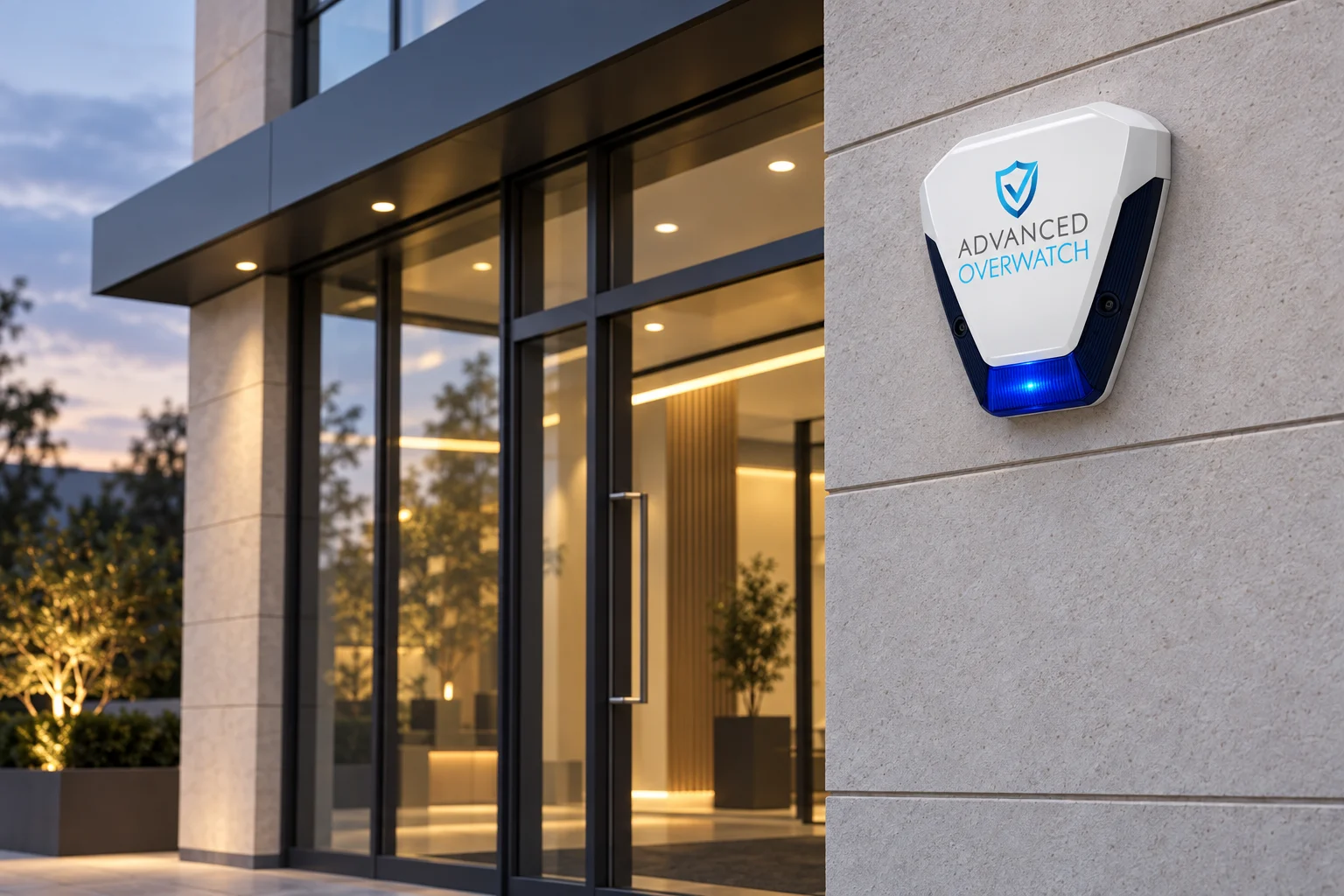
An occasional false activation is frustrating but usually has a simple, fixable cause. Getting to the root of it keeps your alarm trustworthy, and keeps you on good terms with the neighbours.
Start by narrowing it down
Before you change anything, gather three pieces of information from the panel: which zone activated, what time it happened, and whether it repeats in the same place. Most panels hold an event log that shows this, and a pattern normally appears within a week. An activation that always happens in the same room, at roughly the same time of day, is pointing straight at its cause.
The usual culprits
- Pets and wildlife. A cat on a worktop or a dog on a sofa can cross a standard detector’s view. Mice and birds inside a roof space or an outbuilding do the same.
- Moving air and moving objects. Curtains or blinds above a radiator, a hanging decoration, a helium balloon, a plant near a draught, or paper on a noticeboard.
- Heat sources. A detector pointed at a radiator, a heater, a boiler flue or direct sunlight tracking across a room can see a rapid temperature change and read it as movement.
- Doors and windows. Contacts drift out of alignment as frames settle or hinges drop, so the magnet no longer lines up. A door left on the latch and moving in the wind will do it too.
- Fading batteries. A wireless detector with a weak battery can report unreliably before it reports low.
- Insects and spiders. An insect walking across a lens is very close to it, so it fills the field of view.
- Building work and deliveries. Vibration, dust and new deliveries stacked in front of a detector are a common cause after a change on site.
What to check, room by room
- Stand where each detector is and look at what it sees. Anything that moves, heats up or reflects light is a candidate.
- Clear the space in front of each detector, and move decorations, banners and hanging signs out of its view.
- Close windows and internal doors fully before you set the system, and check that a door on a latch cannot swing.
- Check that door and window contacts still meet squarely when the door is shut.
- Wipe dust and webs from detector lenses with a soft dry cloth.
- Replace batteries in wireless devices when the panel first warns, not weeks later.
Changes an engineer can make
If the cause is built in rather than tidied away, the system itself can be adjusted. Pet tolerant detectors ignore movement below a set mass and height. Dual technology detectors need two different sensing methods to agree before they activate, which suits garages, conservatories and workshops. Curtain and wall mounted detectors narrow the field of view where a wide lens is looking at something it should not. Repositioning a detector away from a heat source, or resetting the walk test after a room has been reorganised, often solves it on its own.
Where a system has a police response through an alarm receiving centre, repeated false calls put that response at risk, which is why confirmation technology matters. BS 8243 covers the design of systems intended to generate confirmed alarm conditions, and BS EN 50131 under the PD 6662 scheme covers the system as a whole.
When to call an engineer
Call us if activations continue after you have cleared and checked the space, if the same zone repeats, if you have added pets, staff, stock or a new room layout since the system was designed, or if the panel is reporting faults alongside the activations. A system that nuisance trips gets ignored, which is the real risk. Advanced Overwatch is SSAIB certificated (NIRE127) specifically for Intruder Alarm Systems, Visual Surveillance Systems (VSS) and Access Control Systems. Call our Coleraine team on 028 7087 8077 and we will get it settled.
Related reading
- Service page: Intruder alarm installation in Northern Ireland
- Related guide: What should I do when my intruder alarm shows a fault?
- Related guide: How to Choose the Right Intruder Alarm for Your Northern Ireland Home
- All of our guides: Knowledge Base