
Quick Answer
Every property is different, so we confirm the cost for your property in a clear written quote after a free site survey.
For most homes in Northern Ireland, we recommend a wireless alarm system with smartphone app control and professional monitoring, installed to PD 6662:2017/EN 50131 by an SSAIB certificated installer. The two brands we work with most are Ajax (for app experience and expandability) and Orisec (for hybrid wired/wireless flexibility). Most domestic properties are specified at Grade 1 or Grade 2, decided by a risk assessment of your property rather than a fixed rule. The cost of a professionally installed, monitored system depends on the number of detectors, the grade, wired or wireless equipment and the monitoring you choose, and we confirm it in a clear written quote after a free survey. Always get at least three quotes and confirm the installer is SSAIB certificated before you commit.
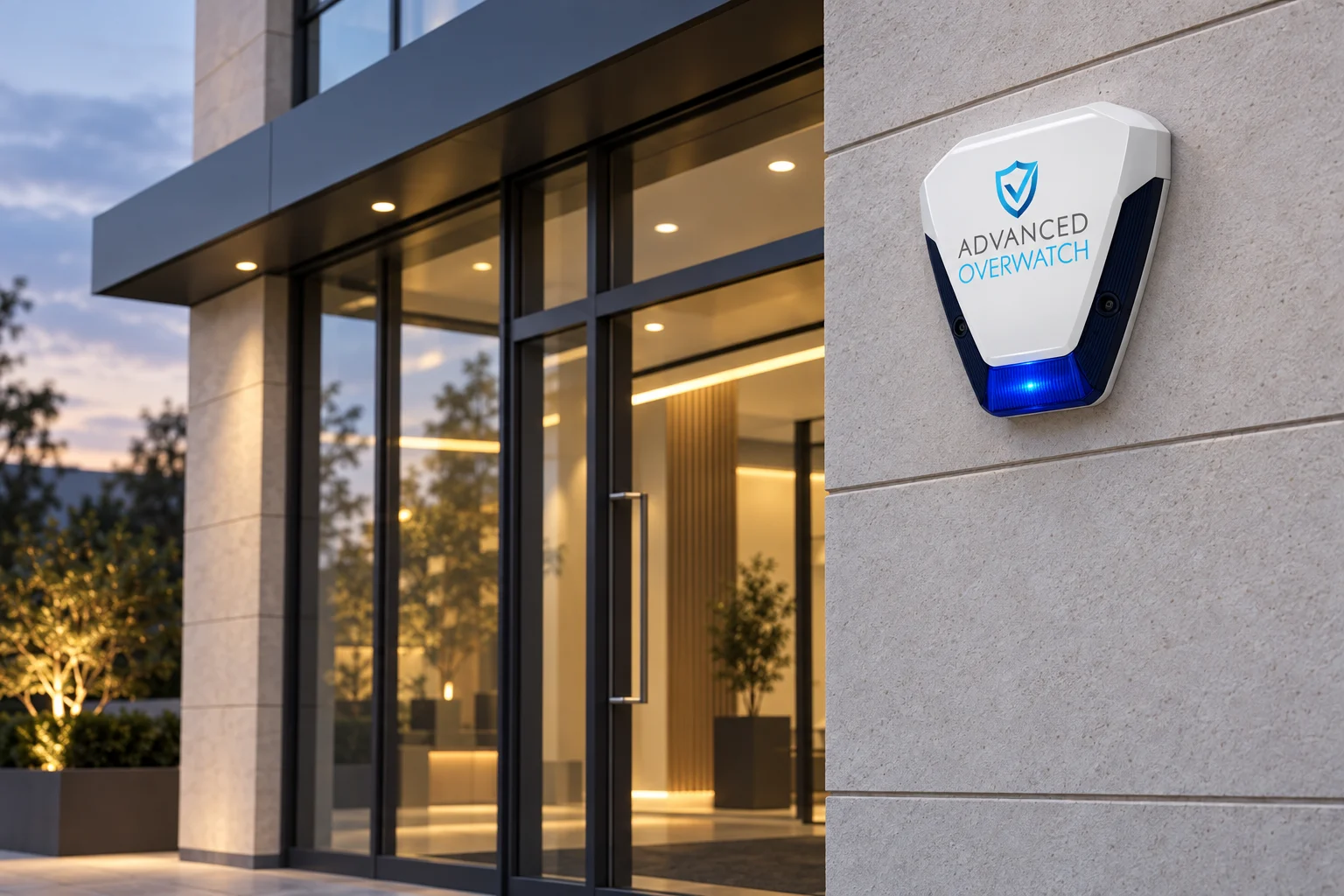
A professionally installed intruder alarm is one of the most effective deterrents against burglary. Visible, active alarm systems are a proven deterrent, and a correctly specified, monitored system means a confirmed break-in triggers a real response rather than relying on a neighbour hearing a sounder.
This guide helps Northern Ireland homeowners understand their options, the standard that governs UK alarm installations, and how to choose between the two brands we install most often.
Types of Alarm Systems
1. Bells-Only Alarm
The most basic type. When triggered, the alarm sounds loudly but doesn’t notify anyone.
- Pros: Low cost, simple
- Cons: No notification if you’re away, relies on someone hearing it
- Our view: Not recommended for most homes. If no one’s there to hear it, what’s the point?
2. Dialler Alarm
When triggered, automatically calls programmed phone numbers (usually your mobile).
- Pros: Notifies you if away, relatively affordable
- Cons: Can generate false calls, reliance on phone line
- Our view: Better than bells-only, but not as reliable as modern monitoring
3. Monitored Alarm
Connected to an Alarm Receiving Centre (ARC) that monitors your alarm 24/7 and contacts you and/or the police when a confirmed activation occurs.
- Pros: Professional response, police notification (if confirmed), insurance benefits
- Cons: Ongoing monthly monitoring costs
- Our view: The right choice for most homeowners serious about security
4. Smart Alarm (App-Controlled)
Modern wireless alarms that connect to your smartphone, allowing you to arm/disarm remotely and receive notifications.
- Pros: Full control from anywhere, easy to use, flexible
- Cons: Typically requires broadband
- Our view: Excellent choice for most homes. Ajax and Orisec both offer app control.
Wired vs Wireless Alarms
Wireless Alarms
Communicate via radio signals. Battery-powered sensors communicate with the hub.
- Pros: Faster installation, less disruptive to install, easier to expand
- Cons: Battery replacement needed (every 3-7 years depending on device)
- Recommended for: Most homes, especially where running cables is difficult
Wired Alarms
Sensors connected to the control panel by cables.
- Pros: More reliable (no radio interference), no battery changes
- Cons: More disruptive to install, harder to expand
- Recommended for: New builds, major renovations, large commercial premises
Hybrid Alarms
Combine wired and wireless elements. For example, a wired system with wireless sensors in difficult-to-wire locations.
- Pros: Best of both worlds
- Cons: More complex
- Recommended for: Properties with some existing wired infrastructure
What to Look For in a Home Alarm
1. SSAIB Certification
Always choose an SSAIB certificated installer. This means:
- The company has been independently audited against PD 6662:2017/EN 50131
- Their installations meet UK standards for domestic and commercial systems alike
- You’re eligible for police response (if monitored and confirmed)
- Your insurer may require it
2. Police Response
For police response, your system needs to be:
- Installed to PD 6662:2017/EN 50131 by an SSAIB certificated (or equivalent) company
- Monitored by an approved ARC
- Confirmed under BS 8243 (typically two independent activation signals, or audio/visual verification) to reduce false alarms
Note: In Northern Ireland, PSNI issues a Unique Reference Number (URN) to systems that meet these requirements and responds to confirmed activations from verified monitored systems. Our Belfast burglar alarm buyer’s guide sets out the URN basics.
3. Mobile App Control
Modern alarms connect to apps on your phone. Look for:
- Arm/disarm remotely
- Receive push notifications
- View system status
- Add/remove sensors
- Multiple user access
4. Pet-Friendly Sensors
If you have pets, ensure the system has pet-immune motion detectors. Ajax’s MotionProtect Pet ignores animals up to 20kg, for example.
5. Monitoring Options
Consider whether you want:
- Self-monitoring: App notifications only
- Professional monitoring: ARC monitors 24/7 and contacts you/the police
How Much Does a Home Alarm Cost in Northern Ireland?
Important: The installed cost covers equipment and installation. Monitoring is a separate monthly cost. We confirm both in a clear written quote after a free site survey.
What affects price:
- Number of sensors required
- Whether you choose wired or wireless
- The grade specified for your property (Grade 2 typically costs more than Grade 1)
- Monitoring contract length
- Brand and features
The Brands We Recommend
Ajax
Ukrainian security brand with excellent app experience. Best for:
- Users who prioritise app control
- Homes with pets (excellent pet immunity)
- Those who want expandability (up to 200 devices)
- Modern, sleek hardware design
Models:
- Hub: Up to 100 devices, basic app
- Hub 2: Up to 100 devices, photo verification
- Hub 2 Plus: Up to 200 devices, Wi-Fi/LTE, most features
Orisec
UK-manufactured, professional-grade systems. Best for:
- Customers wanting wired/wireless flexibility
- Larger properties with more zones
- Those preferring a traditional installer model
- Commercial installations
Features:
- Hybrid wired/wireless architecture
- Established UK support
- Competitive pricing for larger systems
Common Add-Ons
Motion Sensors
Detect movement inside the property. Pet-friendly options available.
Door/Window Contacts
Trigger when doors or windows are opened. Essential for perimeter protection.
Glass Break Detectors
Detect the sound of breaking glass. Useful for ground floor windows.
Smoke/Heat Detectors
Integrated fire detection. Some systems can integrate with your existing fire alarms.
Panic Buttons
Wall-mounted or personal panic buttons for emergencies.
CCTV Integration
Many alarms can integrate with CCTV systems for visual verification.
Related Questions
Do I need a Grade 2 alarm, or is Grade 1 enough for my home?
There’s no single fixed rule; the correct grade comes from a risk assessment of your property, not the property type alone. Grade 1 suits lower-risk homes with modest contents. Grade 2 is more common where you hold higher-value contents, live in an area with higher recorded burglary activity, or your insurer specifies it as a policy condition. During a free survey, we assess your property against these factors and recommend the grade that’s actually right for you, rather than defaulting to the same specification for every home.
How is a home alarm different from a business alarm under PD 6662:2017?
The underlying standard is the same. PD 6662:2017 and EN 50131 apply equally to domestic and commercial installations, and the same BS 8243 confirmed-signalling rules govern police response for both. What changes is the grade typically specified: most homes sit at Grade 1 or 2, while SMEs are commonly Grade 2-3 and higher-risk commercial premises may need Grade 3 or above. The installation process, ARC monitoring, and URN mechanics work the same way regardless of property type.
Standards Explained
PD 6662:2017: A Published Document from the British Standards Institution setting out how UK intruder alarm systems apply the European standard EN 50131. It covers specification, installation, commissioning, and maintenance requirements, and applies to domestic and commercial properties alike. It replaced the older BS 4737 framework.
EN 50131: The European Standard defining four grades of intruder and hold-up alarm protection (Grade 1 to Grade 4), based on risk level rather than property type. Most Northern Ireland homes are specified at Grade 1 or Grade 2.
BS 8243: The British Standard code of practice covering confirmed-alarm signalling, the process by which an activation is verified (through independent sensors, or audio/visual confirmation) before an Alarm Receiving Centre requests a police response. Confirmed signalling under BS 8243 is what allows PSNI to allocate a response to a domestic alarm activation.
Frequently Asked Questions
Do I need planning permission for an alarm external siren?
Generally no for domestic properties. However, if you’re in a listed building or conservation area, check with your local council. External sounders should be positioned to minimise disturbance to neighbours.
Will an alarm reduce my home insurance?
Many insurers offer discounts for professionally installed, monitored alarm systems. Keep your SSAIB certificate as proof. Let your insurer know once installed.
Can I install an alarm myself?
You can, but DIY systems won’t qualify for police response and won’t be SSAIB certificated. Professional installation ensures proper placement, signal testing, and certification.
How long does a professional installation take?
For a typical 3-bedroom home: 2-4 hours for wireless systems. Wired systems take longer.
What happens if I move house?
Both Ajax and Orisec systems are portable. You can uninstall and reinstall at your new property. Notify your monitoring station of the address change.
Do alarms really deter burglars?
Yes. Visible alarm boxes and signage are proven deterrents. Most burglars will move on if they see an active alarm system.
What alarm grade do I need for my home?
Most homes need Grade 1 or Grade 2 under EN 50131/PD 6662:2017, based on a risk assessment of your property, not a fixed rule. We confirm the right grade during your free survey.
Does my home alarm need to be SSAIB certificated for police to respond?
Yes. PSNI issues a Unique Reference Number (URN) to systems installed to PD 6662:2017/EN 50131 by an SSAIB certificated company, monitored by an approved ARC, with confirmed signalling under BS 8243.
What is the difference between a confirmed and unconfirmed alarm activation?
An unconfirmed activation is a single sensor trigger and can be a false alarm. A confirmed activation needs a second independent signal within a set time window, which is what allows a police response under BS 8243.
Summary
| Choose Bells-Only if… | When to choose monitored |
|---|---|
| Very tight budget | You want professional response |
| Someone is usually home | You’re away from home regularly |
| You accept the limitations | Insurance discount matters |
| Peace of mind is important |
Related reading
- Service page: Intruder alarm installation in Northern Ireland
- Local pages: Belfast, Lisburn, Derry / Londonderry, Armagh and Coleraine
- Related guide: Ajax vs Orisec: Which Wireless Alarm System Should You Choose?
- Related guide: How can I stop my intruder alarm giving false activations?
- Related guide: What should I do when my intruder alarm shows a fault?
- All of our guides: Knowledge Base