
Quick Answer
In Northern Ireland, CCTV installations must comply with UK GDPR (the UK General Data Protection Regulation) and the Data Protection Act 2018. For businesses, this means registering with the Information Commissioner’s Office (ICO), conducting a Data Protection Impact Assessment (DPIA), and following CCTV code of practice guidelines. For home installations, requirements are lighter but best practices still apply. The key principles are: have a legitimate reason to record, don’t capture more than you need, keep recordings secure, and delete them when no longer needed.
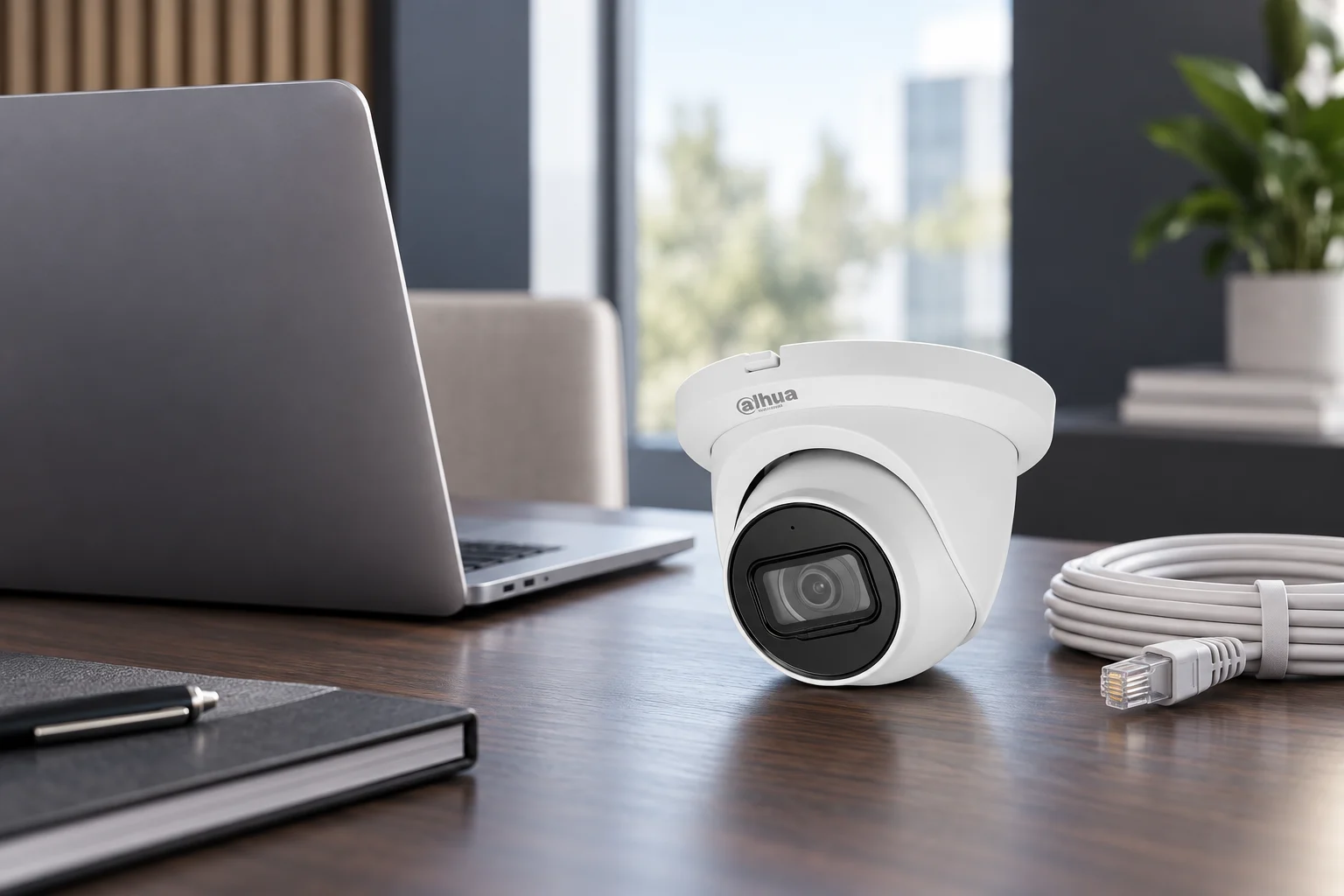
CCTV is a powerful security tool, but in Northern Ireland it also involves handling personal data. The people your cameras capture have rights under data protection law, and as a CCTV system owner, you have responsibilities.
This guide explains what you need to know to stay compliant while protecting your property.
Who Regulates CCTV in Northern Ireland?
CCTV in Northern Ireland is regulated by:
- Information Commissioner’s Office (ICO): The UK data protection authority
- CCTV Code of Practice: Published by the ICO, provides practical guidance
- Data Protection Act 2018: The UK implementation of GDPR
Unlike some countries, there is no single CCTV-specific law in Northern Ireland. Instead, CCTV is governed by data protection principles applied to visual surveillance.
Do You Need to Register with the ICO?
If you install CCTV for security purposes only on your own property:
-
Homeowners: You generally do not need to register with the ICO as a data controller if the CCTV only covers your own property and doesn’t capture significant public spaces. However, you should still follow good practice.
-
Businesses: You likely need to register with the ICO as a data controller if your CCTV captures images of people (staff, customers, visitors). Registration is typically done online at ico.org.uk and has a small annual fee.
If you install CCTV professionally for clients:
- You’re a data processor as well as potentially a data controller
- More stringent requirements apply
- You need appropriate data processing agreements
Data Protection Impact Assessment (DPIA)
A DPIA is a systematic analysis of how a proposed CCTV installation will affect individuals’ privacy rights.
When is a DPIA required?
For businesses, a DPIA is required when CCTV:
- Is deployed in a new location or significantly changed
- Involves systematic monitoring of public or staff areas
- Captures sensitive locations (changing rooms, toilets, etc.)
- Uses technology like facial recognition
What does a DPIA cover?
- What data will be captured and why
- How long recordings will be retained
- Who will have access
- What safeguards are in place
- How individuals can exercise their rights
Advanced Overwatch can provide a DPIA template and guidance for your installation.
Key CCTV Code of Practice Requirements
The ICO’s CCTV Code of Practice (updated 2023) sets out principles that all CCTV operators should follow:
1. Use CCTV Only for Its Stated Purpose
If you install CCTV to prevent burglary, only use it for that. Don’t repurpose footage for other monitoring without reviewing your justification.
2. Inform People They Are Being Filmed
Signs are required. At minimum, you need clear, visible signs stating:
- That CCTV is in operation
- Who operates the system
- How to contact the operator
- Why the data is being collected
3. Only Capture What You Need
Position cameras to minimise intrusion into areas where people have a reasonable expectation of privacy (neighbouring properties, public pavements beyond what’s necessary).
4. Keep Recordings Secure
- Store footage securely with access controls
- Only authorised personnel should view recordings
- Password-protect all viewing access
- Use encryption where practical
5. Don’t Keep Recordings Longer Than Necessary
Most CCTV footage should be overwritten within 30-30 days unless required for an ongoing investigation. Have a clear retention policy and stick to it.
6. Allow Individuals to Access Their Data
If someone appears in your footage and asks for a copy, you must respond within one month. This is called a Subject Access Request (SAR).
CCTV for Businesses: Specific Requirements
Employee Monitoring
Using CCTV to monitor employees has additional requirements:
- You must inform staff (typically in employment contracts and staff handbooks)
- There should be a clear policy on where cameras can be placed
- Monitoring must be proportionate to the security need
- Covert surveillance is generally prohibited without judicial authorisation
Audio is treated more strictly than video, because a recorded conversation is far more intrusive than a picture of someone walking past. The ICO expects any microphone capability to be switched off by default. If your cameras can capture sound, read the rules on recording audio in a Northern Ireland workplace before you enable it.
Customer Areas
- Signs must be visible at entrances
- Cameras should not capture areas where customers have heightened privacy expectations (e.g., inside changing rooms)
- Footage should not be used for purposes beyond security (e.g., marketing without consent)
Schools and Educational Institutions
Schools have additional considerations:
- Must balance security with child welfare
- Parents should be informed about CCTV use
- Special rules apply to footage involving children
- Governance policies should be in place
CCTV for Homeowners in Northern Ireland
Home CCTV requirements are lighter than for businesses, but you should still follow good practice:
Recommended Practices
- Position cameras to avoid capturing neighbouring properties beyond your boundary
- Use signs to indicate CCTV is in operation
- Secure your recordings (change default passwords, use encryption)
- Delete footage regularly (don’t keep more than 30 days)
- Don’t share footage publicly without good reason
Legal Considerations
- You can film your own property and the road immediately outside (for security)
- You generally cannot film inside neighbouring properties
- If your cameras capture significant public areas, consider registering with ICO
- Footage can be shared with police investigating crimes
ICO Guidance on Home CCTV
The Information Commissioner’s Office publishes separate guidance for householders using CCTV at home, and it applies in Northern Ireland in the same way as in the rest of the UK. Key points:
- You can use CCTV to protect your own home.
- If the system only captures images inside the boundary of your own property, including your garden, data protection law does not apply to you.
- If it captures people outside that boundary, in a neighbour’s home or garden, a shared space, a footpath or the street, you become a data controller and the UK GDPR and the Data Protection Act 2018 apply.
- Where that is the case, position the cameras to keep intrusion to a minimum, be able to explain why you need those images, tell your neighbours about the system and put up a sign saying recording is taking place.
- Audio recording is more intrusive than video, so the ICO advises householders to switch it off in most cases.
Privacy by Design
The ICO emphasises “privacy by design”: building privacy considerations into your CCTV system from the start, not adding them afterwards.
Practical Steps
- Conduct a survey before installing: identify where cameras are truly needed
- Choose the right equipment: varifocal lenses to adjust coverage precisely
- Configure recording wisely: motion-triggered recording rather than 24/7 where appropriate
- Set retention schedules: automatic deletion after your retention period
- Control access: limit who can view footage and under what circumstances
Common Compliance Mistakes
| Mistake | Why It Matters |
|---|---|
| No signage | People aren’t informed they’re being recorded |
| Default passwords | Footage can be accessed by anyone |
| Cameras covering too much | Capturing data you don’t need |
| Keeping footage indefinitely | Exceeds legitimate need |
| No retention policy | Unknown what happens to old footage |
| Sharing footage on social media | Can breach data protection rules |
Frequently Asked Questions
Do I need planning permission to install CCTV on my house?
Generally no, but if you’re in a listed building or conservation area, check with your local council. Commercial installations may require planning if they’re prominent or affect public spaces.
Can my neighbour complain about my CCTV?
Yes. If your cameras unreasonably intrude on their privacy, they could make a complaint to the ICO or seek legal advice. Keep cameras focused on your property.
Can I install CCTV pointing at the road to monitor traffic?
For home security, limited coverage of the road immediately outside your property is generally acceptable. Systematic monitoring of public roads for traffic purposes has different rules.
What should I do if someone makes a Subject Access Request for CCTV footage?
You must respond within one month. Contact the ICO for guidance if you’re unsure how to handle it. We can advise on procedures.
Can I use CCTV to catch fly-tippers on my property?
Yes, this is a legitimate use of CCTV for security purposes. Document the purpose and ensure you follow retention guidelines.
Do I need to tell my home insurance company I have CCTV?
It’s good practice to inform them. Some insurers offer discounts for professionally installed, monitored CCTV.
Professional Installation and Compliance
Working with a professional installer like Advanced Overwatch helps ensure your CCTV installation is both effective and compliant. We:
- Advise on camera positioning to minimise privacy intrusion
- Ensure signage requirements are met
- Configure recording settings appropriately
- Set up secure storage and access controls
- Provide documentation for ICO compliance
- Can assist with DPIA if required
Summary
CCTV regulations in Northern Ireland are primarily based on data protection law. The key points are:
- Have a legitimate reason to record
- Inform people through signage
- Don’t capture more than necessary
- Keep recordings secure
- Delete footage when no longer needed
- Allow individuals to access their data
- Register with ICO if operating a business CCTV system
Related reading
- Service page: CCTV installation in Northern Ireland
- Related guide: How Much Does CCTV Cost in Northern Ireland?
- Related guide: Best CCTV Systems for Farms in Northern Ireland: A Complete Guide
- All of our guides: Knowledge Base